
Ridge Cap Repointing in Byron Bay The Secret to Roof Restoration
Owning a property in the stunning coastal town of Byron Bay is an absolute dream for many people. The beautiful beaches and the vibrant community and the relaxed lifestyle make it a truly spectacular place to live. However this coastal paradise brings a very specific set of harsh environmental challenges for your property. The top of your house takes the absolute brunt of these extreme weather conditions. When homeowners think about improving the exterior of their property they often focus solely on pressure cleaning or applying a fresh coat of paint. While those cosmetic steps are important they completely miss the most critical structural element. The real secret to a completely waterproof and secure home is professional ridge cap repointing in Byron Bay.
If you have a tiled roof the ridge caps are the absolute first line of defense against the elements. When these components fail the rest of the structure is immediately compromised. In this comprehensive guide we will explore exactly what ridge capping is and why it deteriorates and why it is the absolute foundation of any legitimate roof restoration Byron Bay project. By understanding the mechanics of your roof you can make informed decisions that will save you massive amounts of money in the future.
Understanding the Anatomy of Your Tiled Roof
To truly understand why repointing is so vital we first need to look at how a tiled structure is put together. When builders construct a house the large flat areas are covered with overlapping concrete or terracotta tiles. These flat areas eventually meet at the very top peaks and along the sloping edges of the structural frame. The standard overlapping tiles cannot sit flush across these sharp angles.
To cover these vital junctions builders use specialized V shaped tiles known as ridge caps. These caps sit right at the apex of the structure straddling the gap between the two sloping sides. Because they sit at the highest and most exposed points they are uniquely vulnerable to strong winds and heavy rainfall.
These caps do not simply rest on top of the structure. They must be permanently secured in place to prevent them from blowing away during severe coastal storms. This is achieved using a two part system known as bedding and pointing. Understanding the difference between these two materials is essential for proper property maintenance.
The Role of Mortar Bedding
The bedding is the structural foundation. Roofers mix a traditional cement mortar which consists of sand and cement and water. They lay a thick bed of this wet cement along the peak of the house and then firmly press the V shaped ridge caps into it. Once this cement dries it holds the cap firmly in place and creates a solid block that prevents pests and water from entering the large gap underneath.
The Importance of Flexible Pointing
While the cement bedding is strong it is also incredibly rigid and brittle. Houses naturally expand and contract with temperature changes and they subtly shift on their foundations. Because the cement bedding cannot flex it naturally develops microscopic cracks over time. To solve this problem roofers apply a second layer over the exposed edge of the cement bedding. This second layer is called pointing.
Historically pointing was also made from a slightly smoother cement mixture. However modern construction standards now require the use of advanced flexible pointing compounds. These modern polymer based compounds bind directly to the tile and the mortar. Because they remain flexible they can stretch and compress as the house moves completely sealing the mortar bedding underneath and providing a perfectly waterproof barrier.
Why Byron Bay Weather Demands Perfect Ridge Capping
The climate in the Northern Rivers region is uniquely demanding on building materials. Homeowners here experience everything from scorching summer sun to intense tropical downpours and highly corrosive salty sea breezes. The Master Builders Association strictly emphasizes the importance of using high quality coastal grade materials in these specific environments.
During the peak of summer the intense sun beats down on your ridge caps heating them to extreme temperatures. The flexible pointing compound expands to handle this heat. When a sudden afternoon thunderstorm rolls in dropping the temperature rapidly the materials contract. This constant daily thermal shock puts immense stress on the pointing compound.
Furthermore the salty coastal air accelerates the degradation of older rigid cement pointing. The salt crystals penetrate the microscopic cracks in the old cement causing it to become brittle and crumble away. Once the pointing fails the underlying mortar bedding is exposed to the heavy rain. The rain washes the sand out of the mortar causing the entire ridge cap to become completely loose and unstable.
The Hidden Dangers of Ignoring Cracked Pointing
Many homeowners look up at their roof and see a few minor cracks in the pointing and think it is not a big deal. This is a massive mistake. Cracked pointing is essentially an open invitation for total structural failure and severe water ingress.
When heavy rain hits a roof with cracked pointing the water does not simply run off the sides. The strong coastal winds actively drive the rainwater horizontally pushing it directly into those cracks. Once the water gets past the pointing it travels under the ridge cap and drops straight down into your ceiling cavity.
This water will eventually pool on top of your plasterboard ceilings causing ugly brown water stains. If the rain is heavy enough the plasterboard will become completely saturated and collapse under the weight dumping gallons of dirty water and wet insulation directly into your living room. Furthermore constant moisture in the dark ceiling cavity leads to toxic mould growth which presents a severe health hazard to your family.
Beyond water damage loose ridge caps are incredibly dangerous. If the pointing and bedding have failed there is nothing holding that heavy tile to your house. During the next major coastal storm high winds can easily lift that heavy concrete tile right off the house and send it crashing down into your yard or through your car windshield. Proper maintenance is literally a matter of safety.
How Ridge Cap Repointing Fits Into Roof Restoration Byron Bay
A major misconception is that making a roof look good is the same as making it functional. Unscrupulous contractors will sometimes offer cheap cleaning and painting services without ever addressing the structural integrity of the ridge caps. Painting over cracked and crumbling pointing is completely useless. The paint will instantly peel off and the leaks will continue to destroy your home.
A legitimate and professional roof restoration in Byron Bay must always prioritize structural security before any cosmetic work begins. The repointing process is the absolute backbone of the entire restoration project. Let us break down exactly how professional roofers integrate this critical step into a full restoration.
Step One Thorough Inspection and Preparation
The process always begins with a comprehensive safety inspection. Professional roofers will walk the entire surface of the house checking every single ridge cap by hand. They will identify areas where the pointing has cracked or where the caps are physically loose. Once the inspection is complete the entire surface must be thoroughly pressure cleaned. This removes all the dirt and moss and flaky old paint ensuring that the new pointing compound has a perfectly clean surface to adhere to.
Step Two Rebedding if Necessary
If the existing pointing has been broken for a long time the underlying cement bedding might be completely washed away. In these severe cases the roofer must physically lift the ridge caps completely off the house. They will then clean away all the old crumbling cement and lay a brand new bed of strong mortar. The caps are then carefully set back into perfect alignment. This ensures the foundational strength is restored.
Step Three The Repointing Process
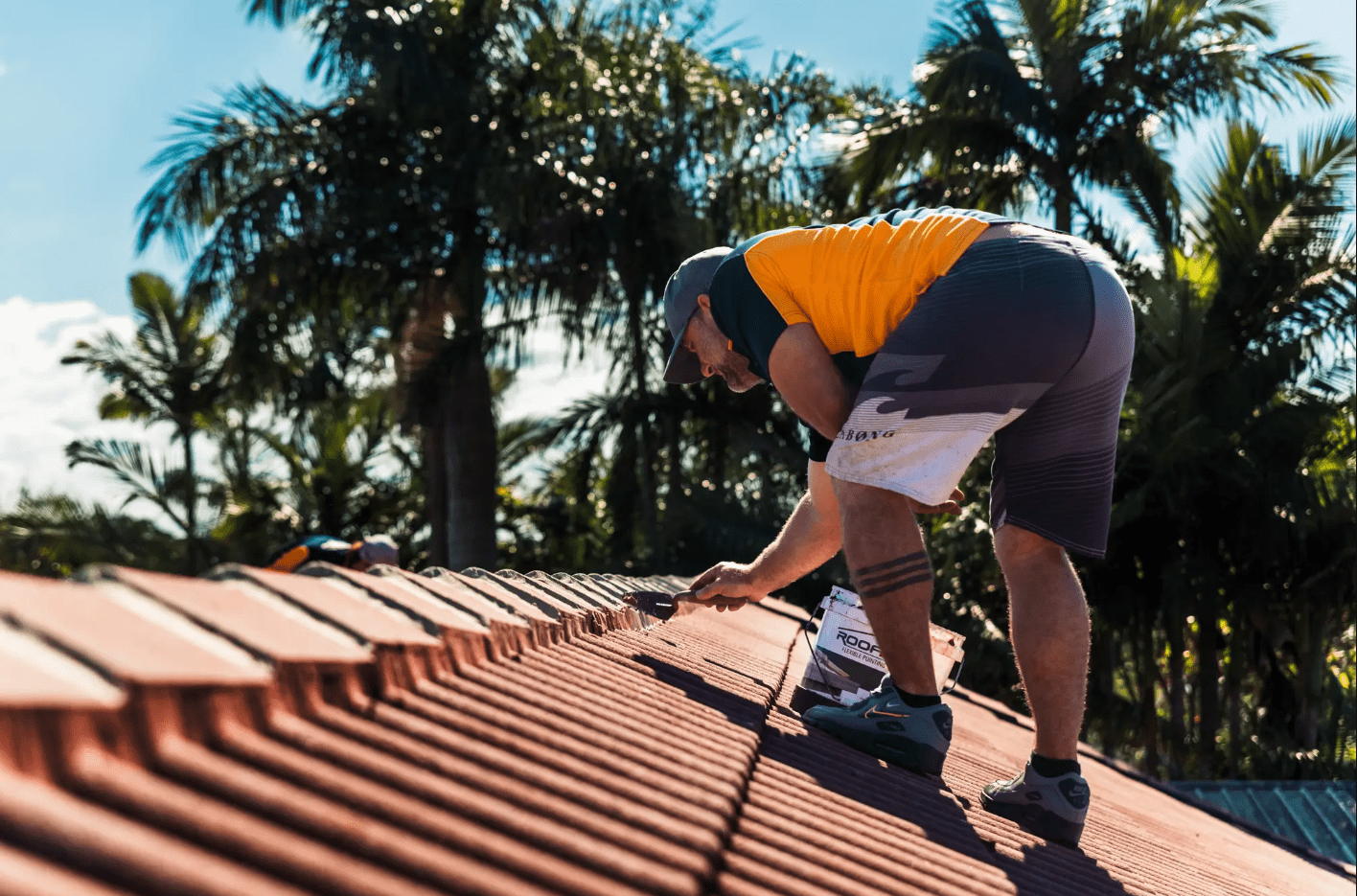
Once the foundation is secure and clean the roofer applies the modern flexible pointing compound. This requires a high level of skill to ensure a smooth and continuous and perfectly sealed edge. The roofer uses a trowel to force the flexible compound deep into the joints between the caps and the flat tiles. They then smooth the edges to create a sleek and professional finish that allows water to flow seamlessly over the junction without getting trapped.
Only after this pointing has completely cured and dried can the final cosmetic stages of the restoration begin. This includes applying the specialized primers and the protective membrane coatings that give your home that stunning brand new appearance.
The Financial Benefits of Proactive Maintenance
Consumer advocacy groups like Choice Australia regularly advise homeowners that preventative maintenance is vastly cheaper than emergency repairs. This is especially true for roofing. A proactive repointing service is a highly cost effective way to secure your property for the next ten to fifteen years.
If you delay this vital maintenance until water is actively pouring through your ceiling the costs multiply exponentially. You will have to pay for emergency leak detection and the replacement of rotten timber frames and the installation of new ceiling plasterboard and the repainting of your interior rooms. By investing in proper ridge cap repointing in Byron Bay before a disaster strikes you are actively protecting the immense financial value of your property.
If you are unsure about the current condition of your ridge caps it is highly recommended to explore the incredible benefits of a quality roof restoration to see how a comprehensive approach can secure your investment.
Choosing the Right Professionals for the Job
It is vital to understand that repointing is not a weekend DIY project. Walking on a steeply pitched surface is inherently dangerous. Furthermore applying flexible pointing correctly requires specific tools and years of technical experience. If the compound is applied too thin it will tear. If it is not smoothed correctly it will create small dams that trap rainwater against the tile.
Always hire licensed and fully insured local professionals who understand the specific demands of the coastal environment. Local experts know exactly which premium grade compounds will survive the salty air and the intense thermal shock of the Northern Rivers climate. They also carry the correct safety equipment to perform the job without risking injury or causing accidental damage to your fragile tiles.
Frequently Asked Questions About Ridge Capping
How long does modern flexible pointing actually last?
When applied correctly by a trained professional over a perfectly clean surface high quality flexible pointing can easily last for more than ten years. However regular extreme weather events can impact this lifespan which is why annual visual inspections are highly recommended.
Can I just use standard silicone sealant to patch the cracks myself?
You should never use standard silicone or bathroom sealants on a roof. These generic products are not designed to withstand constant UV radiation and they will quickly break down in the sun. Furthermore they do not bond correctly to concrete or terracotta which means water will simply slide right underneath them. Always use specialized roofing pointing compounds.
How do I know if my ridge caps are loose without climbing up there?
While a professional inspection is the only definitive way to know there are a few warning signs you can spot from the ground. Use binoculars to look for missing chunks of cement along the peaks of your house. You might also find small pieces of gray mortar sitting in your gutters or scattered on your driveway after a heavy storm.
Do you need to remove the old pointing before applying the new flexible compound?
This depends entirely on the condition of the existing material. If the old pointing is completely crumbling and loose it must be scraped away to provide a solid base. However if the old pointing is still firmly attached but simply has hairline cracks the new flexible compound can often be applied directly over the top to create a new waterproof seal.
Does repointing come with a warranty?
Reputable local roofing companies will always provide a warranty on both their labor and the materials used for pointing and bedding. This gives you complete peace of mind knowing that your home is genuinely protected against future water ingress.
Conclusion
Your home is a massive financial asset and the roof is its primary shield. Do not let degraded mortar and cracked pointing compromise the safety and the value of your property. Proper ridge cap repointing in Byron Bay is the absolute non negotiable secret to a successful and long lasting roof restoration Byron Bay project. By addressing the structural integrity of your ridge caps first you ensure that your home remains totally dry and secure and beautiful regardless of what the unpredictable coastal weather throws at it. Take action today and secure the peak of your property with professional maintenance.