
Roof Restoration in Byron Bay: What Northern Rivers Homeowners Need to Know
Byron Bay is one of the most beautiful places on the coast, but living close to the ocean comes at a price for your roof. Salt air, heavy rain, intense UV exposure and the occasional violent storm all take a toll on concrete and terracotta tiles over time. For most homeowners in Byron Bay and the surrounding Northern Rivers region, a full roof restoration is something that comes around every ten to fifteen years. When it does, it pays to understand exactly what the process involves before you pick up the phone.
This article covers what roof restoration actually means, how the job is carried out from start to finish, and what you should realistically expect in terms of timing, cost and disruption to your home.
What Is Roof Restoration and Is It the Same as a Repair?
A roof repair fixes a specific problem. A cracked tile here, a leaking section of flashing there. Restoration is a more comprehensive process. It addresses the overall condition of the roof as a whole – dealing with surface deterioration, failed waterproofing and structural issues like loose or crumbling ridge caps before applying a protective membrane coating over the entire surface.
Think of it this way. A repair keeps water out today. A restoration protects the roof for the next ten to fifteen years.
For older homes in Byron Bay – particularly those built in the 1980s and 1990s – restoration is often the more cost-effective option compared to a full roof replacement. The tiles themselves are usually still in sound condition. What has degraded is the surface coating, the pointing around the ridge caps and the bedding underneath. All of that can be addressed through restoration without touching the structural framework of the roof at all.
Signs Your Byron Bay Roof Is Ready for Restoration
Coastal properties age differently from homes further inland. The combination of salt air and humidity accelerates surface wear significantly. (Source: NSW Fair Trading roofing standards) Some of the most common signs that a roof in the Northern Rivers area is due for restoration include the following.
Tiles that have become noticeably faded or chalky in appearance usually means the original surface coating has broken down and is no longer providing adequate protection against the elements.
Moss, lichen or dark staining across the surface are not just cosmetic issues. Organic growth holds moisture against the tile surface and can cause cracking over time, particularly through winter months when temperatures drop overnight.
Ridge caps that are visibly cracked or have gaps in the mortar pointing are a clear warning sign. The ridge caps run along the peak of the roof and are the most exposed part of the structure. When the pointing fails, water gets in.
Granules or grit appearing in the gutters after rainfall is usually a sign that the tile surface itself is breaking down.
A roof that has not been professionally cleaned or inspected in more than ten years is worth having looked at regardless of how it appears from the ground. Problems that are not visible from street level are often well advanced by the time they become obvious.
The Full Restoration Process, Step by Step
One of the most important things to understand about roof restoration is that it is not a one-day job. A proper restoration carried out to a professional standard takes several days and involves a specific sequence of steps. Skipping any of them leads to results that simply do not last.
Step 1 – Roof Inspection and Quote
Before any work begins, a thorough inspection of the roof is carried out. This involves physically getting up onto the roof and checking for broken or slipping tiles, failed flashing around chimneys and gable ends and the condition of the ridge cap bedding and pointing. Problems that are invisible from the ground often become clear at this stage.
For homeowners in Byron Bay and across Northern Rivers, this inspection is provided free of charge with no obligation to proceed.
Step 2 – Tile Repairs and Flashing
Any broken tiles found during the inspection are replaced before anything else happens. Flashing around gable ends and other penetrations is repaired or replaced as needed. This structural work comes first because pressure cleaning an already compromised roof can open up new leak points.
Step 3 – High Pressure Cleaning
This is one of the most critical and most underestimated parts of the process. The entire roof surface is pressure washed at 4000 PSI – a level of pressure that strips away years of biological growth, dirt, failed coating and debris accumulated in the valleys and around the ridge caps.
The cleaning creates significant water runoff carrying dirt and organic matter. Gutters, fascia boards and pathways around the home will need to be cleaned as a result, and in some cases neighbouring fences or property may also be affected. Solar panels, which are common on Byron Bay homes, are cleaned before work is complete.
High pressure cleaning sometimes reveals hairline cracks or broken tiles not visible during the initial inspection. These are addressed before the job moves forward.
Step 4 – Ridge Cap Repointing and Rebedding
The ridge caps sit along the very top of the roof and are exposed to the worst weather from every direction. The mortar pointing that seals their edges is what keeps water from getting underneath them.
Over time this pointing cracks and breaks away. Repointing involves removing the old mortar and applying a new flexible compound that seals the ridge cap properly and handles the natural movement that occurs in any roof as temperatures shift through the day.
Where ridge caps have been seriously neglected, the base layer called bedding may have failed as well. In this case, the caps are removed completely, fresh bedding is applied and the caps are reset before pointing is carried out. This adds time to the job but is the only correct approach when the bedding has broken down.
Step 5 – Masking Up
Before any spraying begins, everything on the roof that should not be painted is carefully masked. Solar panels, skylights, vents and any other fixtures are covered and taped off. This step takes time but is essential for a clean result.
Step 6 – Sealer and Membrane Coating
The first coat applied is a penetrating sealer and primer. This soaks into the tile surface and creates the bond needed for the membrane paint that follows. Without this coat, the membrane will not adhere properly and will begin to lift within a few years.
Once the sealer has cured, two coats of membrane paint are applied in the colour of the homeowner’s choice. The membrane forms a continuous waterproof layer across the entire roof surface and is designed to flex with the tiles through heat and cold cycles without cracking. This is what gives the restored roof its extended lifespan. (Source: Australian paint and coating standards)
How Long Does Roof Restoration Take?
For a standard home in Byron Bay or the surrounding Northern Rivers area, the full restoration process from first clean to final coat takes between four and seven working days. This depends on the size of the roof, the extent of repairs required and weather conditions.
Rain affects the drying and curing of the coatings, so a run of clear days is needed for the painting stage. In the Northern Rivers where afternoon showers are common through summer, some flexibility in the schedule is worth factoring in from the start.
What Does Roof Restoration Cost in Byron Bay?
Costs vary depending on the size of the roof, the extent of repair work required and the membrane coating selected. As a general guide, most residential restorations in the Byron Bay and Northern Rivers area fall somewhere between $3,000 and $8,000 for a standard three to four bedroom home.
That figure is significantly less than a full tile replacement, which can run to $15,000 or more for a home of the same size. For a roof where the tiles are structurally sound but the surface and pointing have deteriorated, restoration delivers comparable longevity at a fraction of the replacement cost.
A detailed written quote is provided after the inspection. There are no hidden costs added after the quote is agreed.
Areas We Service Across Northern Rivers NSW
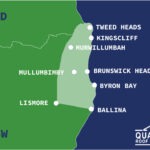
Quality Roof Reseals is based in Mullumbimby and provides roof restoration across Byron Bay, Ballina, Lismore, Bangalow, Ocean Shores, Alstonville, Murwillumbah, Tweed Heads, Pottsville, Cabarita and surrounding areas throughout Northern Rivers NSW. All properties serviced are within 45 minutes of Mullumbimby.
Frequently Asked Questions
How often does a roof need to be restored?
For most homes in Northern Rivers, a quality restoration lasts between ten and fifteen years before another full restoration is needed. Regular cleaning every three to five years can extend this further by preventing the buildup of organic growth that accelerates tile wear.
Can restoration be done if some tiles are already broken?
Yes. Broken tiles are repaired or replaced as part of the process. This is handled in the first stage of the job before cleaning or coating begins.
Do I need to leave the house during restoration?
No. All work is carried out on the exterior of the home. There is no need to vacate during the process, though the pressure cleaning stage is noisy.
What happens if it rains during the job?
Work pauses during heavy rain. The coatings need dry conditions to cure correctly. This is accounted for in scheduling, particularly through the Northern Rivers wet season.
Is there a warranty on the work?
Written warranties are provided on completed restoration work. The details are covered at the quoting stage before any work begins.
Get a Free Roof Inspection in Byron Bay
If your roof is overdue for an inspection or you have noticed any of the signs mentioned in this article, the most straightforward next step is to have someone take a proper look. An inspection costs nothing and gives you a clear picture of what is happening before making any decisions.
Quality Roof Reseals offers free roof inspections and written quotes across Byron Bay and all of Northern Rivers NSW. To get in touch, visit our contact page or call directly to arrange a time that suits you.